How to Apply Iron-On Patches So They Actually Stay
The number-one complaint we hear from patch customers is "it fell off after the first wash." Almost every time, that is an application problem, not a patch problem. The adhesive backing on a quality iron-on patch is strong enough to hold through dozens of wash cycles if you activate it properly. Here is the full process, from surface prep to troubleshooting.
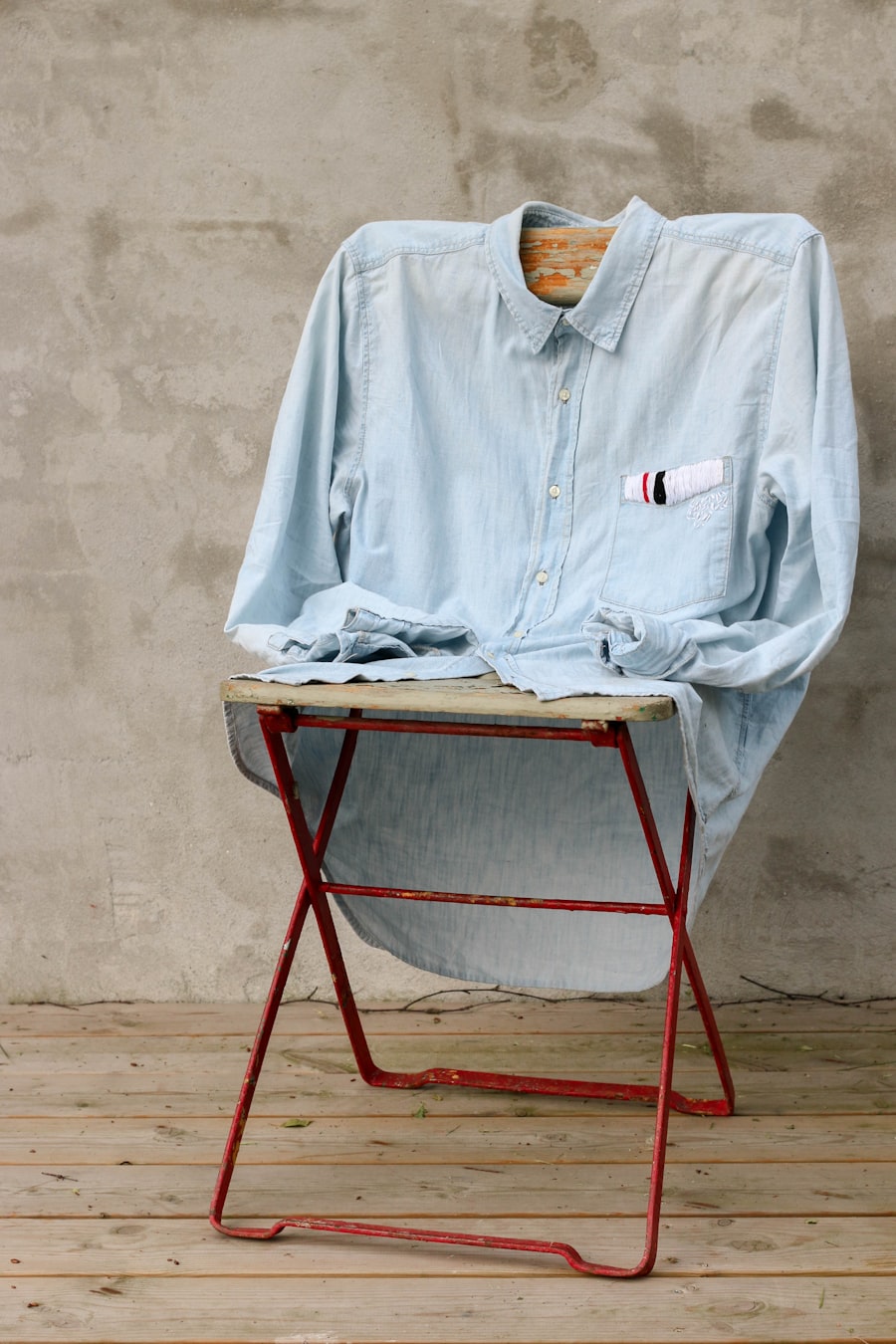
Check fabric compatibility first.
Iron-on adhesive bonds by melting into the weave of the fabric. That means the fabric needs to be able to handle high heat and have a texture the adhesive can grip. Here is a quick reference:
Great for iron-on: Cotton, denim, canvas, cotton-poly blends (60%+ cotton), twill, heavy linen. These fabrics handle high heat and have an open enough weave for the adhesive to grip.
Use with caution: Thin poly-cotton blends, light linen, chambray. These can work but may need a lower temperature and longer press time. Test on an inside seam first.
Do not iron on: Nylon, waterproof fabrics, leather, vinyl, stretch fabrics with high spandex content, fleece, or anything with a water-repellent coating. The adhesive will not bond, and the heat may damage the fabric. For these materials, sew the patch on instead.
Set up your workspace.
You need a firm, flat, heat-resistant surface. An ironing board works, but a folded towel on a hard table is actually better because it provides more counter-pressure. The softness of an ironing board can absorb pressure that should be going into the patch.
You also need a pressing cloth. This is just a thin cotton fabric (an old pillowcase works perfectly) that goes between the iron and the patch. It prevents the iron from directly touching the embroidery, which can melt thread or leave a shiny mark on the fabric.
Temperature and time.
This is where most people go wrong. They use too little heat and too little time.
Temperature: Set the iron to the cotton/linen setting, which is typically 300-350 degrees Fahrenheit (150-180 Celsius). No steam. Turn the steam off completely. Steam introduces moisture that weakens the adhesive bond before it sets.
Time: Press for 30-45 seconds with firm, steady pressure. Do not slide the iron around. Place it directly over the patch and press down hard. Lift, reposition if the patch is larger than the iron plate, and press again. Then flip the garment inside-out and press from the back for another 20-30 seconds.
Pressure: Push down with your body weight. Most adhesive failures happen because people press too lightly. You need the heat and the pressure working together to melt the adhesive into the fabric weave.
Let it cool completely before testing.
After pressing, leave the garment flat and untouched for at least 5 minutes. The adhesive needs to cool and harden to reach full strength. If you pick at the edges while it is still warm, you will peel the bond before it sets.
Once cool, gently tug the edge of the patch. It should feel firmly attached with no lift. If any edge is loose, re-press that area for another 20 seconds with extra pressure.
Common problems and fixes.
Edges lifting after washing: The most common issue. Usually means not enough heat or time during initial application. Re-press the edges, then add a few small hand stitches around the perimeter for permanent hold. A combination of adhesive and stitching is the most durable attachment method.
Patch slides during pressing: Pin the patch in position with two small straight pins before pressing. Remove the pins just before the iron reaches them.
Adhesive residue on fabric: If you need to remove a patch later, press a hot iron over the area for 15 seconds to soften the adhesive, then peel gently. Residue can be removed with rubbing alcohol on a cotton ball. Test in an inconspicuous area first.
Patch works on the jacket but not the backpack: Backpacks are usually nylon. Iron-on adhesive does not bond to nylon. Sew the patch on instead, or use fabric glue rated for synthetic materials.

When to skip iron-on entirely.
If the garment goes through heavy-duty wash cycles regularly (workwear, kids' clothes that get stain-treated, anything that gets tumble-dried on high), the safest attachment is sewing. Iron-on adhesive will hold for a long time on a gently-washed jacket, but a patch on a toddler's overalls needs thread. A simple whip stitch around the edge takes five minutes and makes the attachment permanent.
All Bluebird Patchworks patches work with both iron-on and sew-on methods. Browse the full collection or order custom patches for your group or event.
Questions about patches?
Email us any time. We answer questions about application, fabric compatibility, and custom orders within a working day.